 B. H. Paterson
Grateful, But to Whom?
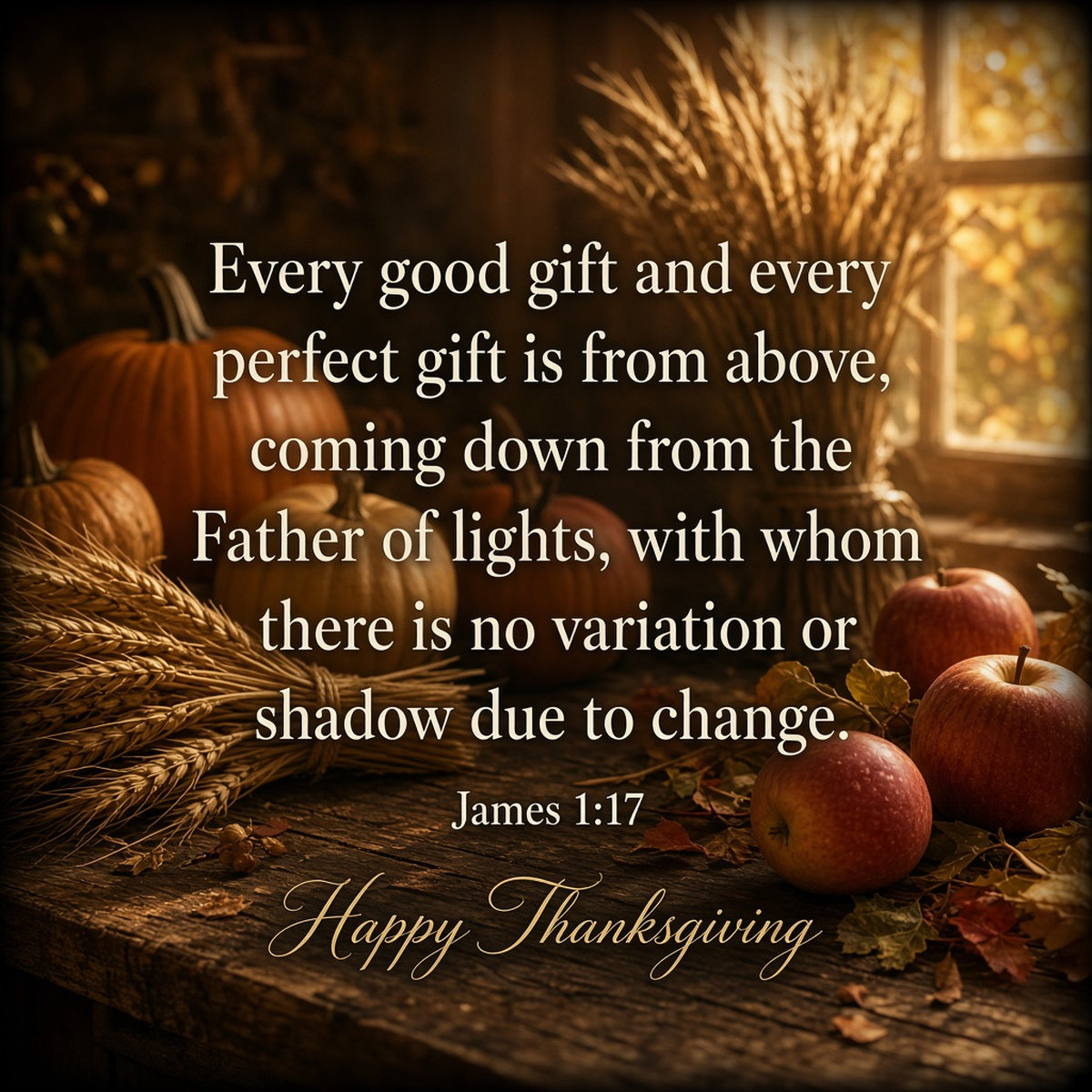
On one of my first visits to the United States in the 1970s, years before moving here and becoming a citizen, I was blessed to be invited to join some friends for my first Thanksgiving celebration. The food was delicious, of course, the company was delightful, and the whole day was memorable in so many ways. But what mattered most wasn’t just that we were all thankful, though countless expressions of that gratitude flowed copiously throughout our time together. What mattered most is a question everyone there answered in just one way, and it’s something that we need to ask ourselves every day, not just Thanksgiving Day. The question is, exactly who are we thankful to? We can all be grateful for many things, but who do we see as the source of everything, who is the one who supplies all our needs? For my friends and me that day, we gladly gave our thanks to almighty God. And not just for our material needs, but for the salvation He provided through the sacrificial death and resurrection of our Lord Jesus Christ.
Of all the things I’m grateful for today, my beautiful wife, our family, our lives together and the love we have for each other, and all the things God graciously and generously sends to meet our daily needs, nothing compares to the fact that He saved my soul, rescued me from a life devoid of hope or meaning, sent the Holy Spirit into my life to comfort and to guide, and placed a hunger in my heart to know Him more. And that’s before we get to the wonderful promises He has made to all who receive Jesus as Lord and Savior, that we will spend eternity in His glorious presence, where, the Bible says, “Eye has not seen, nor ear heard, nor have entered into the heart of man the things which God has prepared for those who love Him.” (1 Co 2:9, NKJV).
In the first Presidential Thanksgiving proclamation on October 3, 1789, George Washington said it was the “duty of all Nations to acknowledge the providence of Almighty God,” and also asked God to “pardon our national and other transgressions.” Abraham Lincoln’s 1863 proclamation, which began Thanksgiving as an annual national observance, called for “humble penitence for our national perverseness and disobedience.” It asked Americans to commend “widows, orphans, mourners or sufferers” to God’s care and to pray that He would “heal the wounds of the nation.” To go with our thanksgiving, it matters, too, that we humble ourselves, confess and repent of our sins, and surrender ourselves to God’s will in our lives. And part of that is to then remember the poor and suffering, and be sure to do something about their plight.
Surveys in contemporary times reveal a willingness to express gratitude, but to whom exactly is that gratitude directed? For many, God is not high on the list, I’m sad to say. Maybe it’s the cosmos, or some mysterious Star-Wars-like force, or maybe it’s simple blind luck. Seems a bit empty to me, and a far cry from the God Lincoln, Washington and countless others since have concluded to be the only and obvious source of everything good. As James said, “Every good gift and every perfect gift is from above, coming down from the Father of lights, with whom there is no variation or shadow due to change.” (James 1:17, ESV).
© 2026 B. H. Paterson · Contact